Most teachers will never know the full impact they have on their students. A comment made in passing. A system designed to motivate. A “fun” classroom tool meant to encourage effort. These moments often feel small at the time, but for students, they can last far beyond the school year.
Educators make hundreds of choices every day. Many are made with the best intentions. Still, intention does not always equal impact.
Some classroom practices that seem harmless or even engaging can quietly shape how students see themselves as learners, sometimes for life.
When Motivation Turns Into Visibility
Classroom tools that publicly track progress are often created to motivate students. Reading level charts on the wall. Behavior clip systems. Math fact leaderboards. Growth charts with names attached.
For students who consistently succeed, these tools can feel encouraging or neutral. For students who struggle, they can feel exposing.
When progress is displayed publicly, students quickly learn where they rank. They notice who moves up and who stays stuck. Over time, this visibility can turn learning into comparison and comparison into shame.
A child who sees their name at the bottom day after day may not think, “I need to try harder.” They may think, “I am bad at this.”
The Hidden Cost of Public Comparison
Research and experience both show that students who feel embarrassed or discouraged are less likely to take academic risks. They may avoid raising their hand. They may rush through work to avoid attention. They may disengage entirely.
Public tracking can unintentionally:
- Increase anxiety for struggling students
- Reinforce fixed mindsets about ability
- Discourage persistence and effort
- Damage peer relationships and self confidence
For some students, especially those with learning differences or slower processing speeds, these systems confirm a belief that school is not a place where they can succeed.
Fun Does Not Always Mean Safe
Many classroom tools are labeled as fun, interactive, or motivating. Competition based games. Timed drills. Public rewards. Charts and stickers with names attached.
While these strategies work well for some students, they can be emotionally unsafe for others.
A student who freezes under time pressure. A student who needs more repetition. A student who is working twice as hard for half the visible progress.
When success is measured publicly and quickly, students who need support often absorb the message that they do not belong.
Teachers Matter More Than Tools
The most powerful influence in a classroom is not the chart on the wall or the system being used. It is the teacher’s awareness.
Teachers who notice student reactions. Teachers who adjust when something is not working. Teachers who prioritize dignity over data display.
Small shifts can make a big difference:
- Tracking progress privately instead of publicly
- Celebrating effort without comparison
- Offering choice in how students engage
- Reframing mistakes as part of learning, not failure
These changes protect students while still supporting growth.
The Memory Students Carry
Ask adults about their school experiences and many will remember specific moments with surprising clarity. The time they were called out for being behind. The chart they never moved up. The feeling of being watched.
Students rarely remember the system itself. They remember how it made them feel.
Feeling capable. Or exposed. Encouraged. Or defeated.
One example of the impact is:
I remember sitting at a table group in elementary school, working together to fill a big jar with marshmallows. If we behaved well and did our work, the jar would fill up and we would earn a special prize or activity. I wanted that jar full more than anything. Not just for the prize, but because it meant we were doing well. It meant our teacher was proud. The excitement of watching those marshmallows pile up taught me something lasting about encouragement and collective effort. Even now, I can recall how motivating it felt to be part of something positive and celebrated.
Another example of the lasting impact teachers make is the following memory:
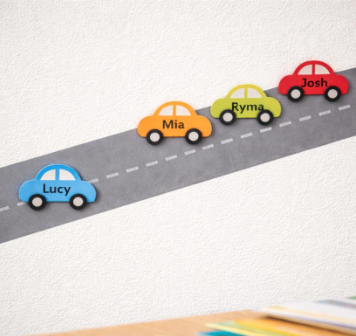
I can still remember sitting in fourth grade, staring at a timed multiplication test that felt more like a stopwatch on my worth than a math worksheet. My classmates flipped their papers over confidently, pencils moving fast. I watched the clock. I watched their hands. I watched my own paper stay unfinished. When it was time to move the little cars forward on the classroom chart, mine stayed behind. That small paper car became a symbol. Not of math ability, but of feeling stuck and less than. Years later, I can still picture it. It is funny now, but it also reminds me how deeply classroom experiences imprint on children. What feels like a routine assessment to an adult can quietly shape how a child sees themselves.
Choosing Impact Over Intention
Teaching is complex. There is no perfect classroom and no universal strategy that works for every student. But there is always room for reflection.
Before implementing a new tool or system, it is worth asking:
Who benefits most from this?
Who might feel left behind?
How does this support learning without harming confidence?
Teacher choices, even small ones, can echo far beyond the classroom. When educators choose practices that protect student dignity and foster internal motivation, they help shape learners who believe in themselves long after the charts come down.