Stress shows up in classrooms in many ways. Wiggly bodies. Short tempers. Zoning out. Big emotions over small problems. While some stress is unavoidable, schools do not need complicated programs or extra materials to help students regulate.
Some of the most effective stress relief strategies are simple, fast, and easy for students to use on their own.
Below are classroom friendly activities that can be taught once and then used independently by students when they need a reset.
Why Self Implemented Strategies Matter
When students can recognize stress and use a strategy without adult direction, they build real life skills. These moments support emotional regulation, executive functioning, and independence.
Self implemented activities also:
- Reduce instructional interruptions
- Empower students to take ownership of their emotions
- Support a calmer classroom environment
- Work across grade levels with small adjustments
The key is consistency and modeling, not complexity.
Quick Stress Relief Activities Students Can Do Independently
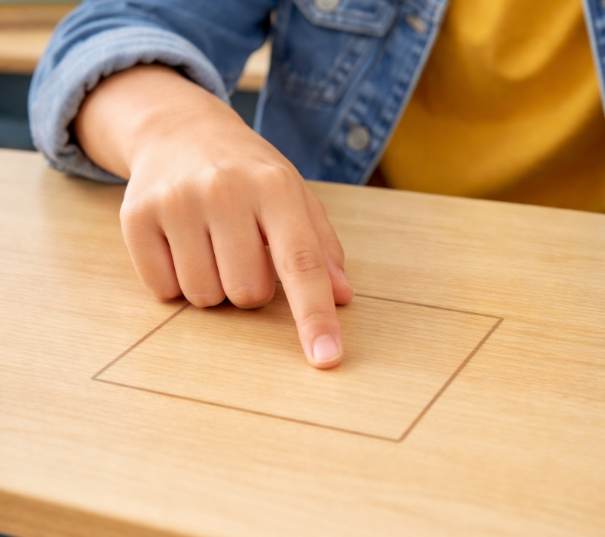
1. Square Breathing
Students trace an imaginary square with their finger.
- Breathe in for four counts
- Hold for four
- Breathe out for four
- Hold for four
This can be done at a desk, on the floor, or even while standing in line.
A fun example of a breathing exercise is hot chocolate breathing. Students hold their hands together like they hold a cup of hot chocolate, then they breathe in to smell the drink, and breathe out to cool it down. Visualizations can help some students focus!
2. Chair Push Ups
Without leaving their seat, students place their hands on the sides of the chair and push down, lifting their body slightly if able. The deep pressure input helps calm the nervous system and releases tension.
No equipment. No noise. Big payoff.
3. Hand Squeezes
Students squeeze their hands into fists for five seconds, then release. Repeat a few times. This is especially helpful for students who hold tension in their hands or shoulders.
You can also pair this with slow breathing for extra impact.
4. Five Things Check In
Students silently name:
- Five things they can see
- Four things they can feel
- Three things they can hear
- Two things they can smell
- One thing they can taste
This grounding activity helps bring attention back to the present moment and can be done without anyone else noticing.
Quiet Tools That Support Regulation
Not all stress relief needs to be an “activity.” Some tools support regulation through movement or sensory input.
Examples include:
- Stress balls or putty used intentionally
- Paper to doodle or draw patterns
- Texture strips under desks
- Breathing cards or visual reminders
As with any tool, clear expectations matter. Quiet, non distracting options work best.
Making Stress Relief Part of the Classroom Culture
The most successful classrooms treat regulation as a normal part of learning, not a reward or consequence.
Helpful practices include:
- Teaching strategies during calm moments
- Modeling use of strategies as adults
- Allowing choice so students find what works for them
- Normalizing breaks and resets for everyone
When students see that using a strategy is responsible, not disruptive, they are more likely to use it appropriately.
Small Strategies, Big Impact
Supporting student regulation does not require extra time, special equipment, or complex plans. When schools focus on simple, self implemented stress relief activities, they give students tools they can use in classrooms, testing environments, and beyond.
A calm classroom is not a silent one. It is a space where students know how to reset, refocus, and keep going.