At Jump Ahead Pediatrics, our mission is rooted in compassion, evidence-based practice, and meaningful progress for the children and schools we support. A key part of this work is carried out by a highly trained professional known as a BCBA, or Board Certified Behavior Analyst.
If you are exploring what a BCBA does, what the career path looks like, or whether this profession is the right fit, Jump Ahead Pediatrics describes an overview of what a BCBA is below. This post includes insight into school-based BCBA roles, which are a nice BCBA role central to our organization.
What Is a BCBA?
A Board Certified Behavior Analyst is a credentialed professional who specializes in Applied Behavior Analysis (ABA). Becoming a BCBA requires more than just earning a college degree. It involves graduate-level ABA coursework, supervised clinical training, passing a national BCBA certification exam, and meeting any state licensure requirements for the state you are employed in.
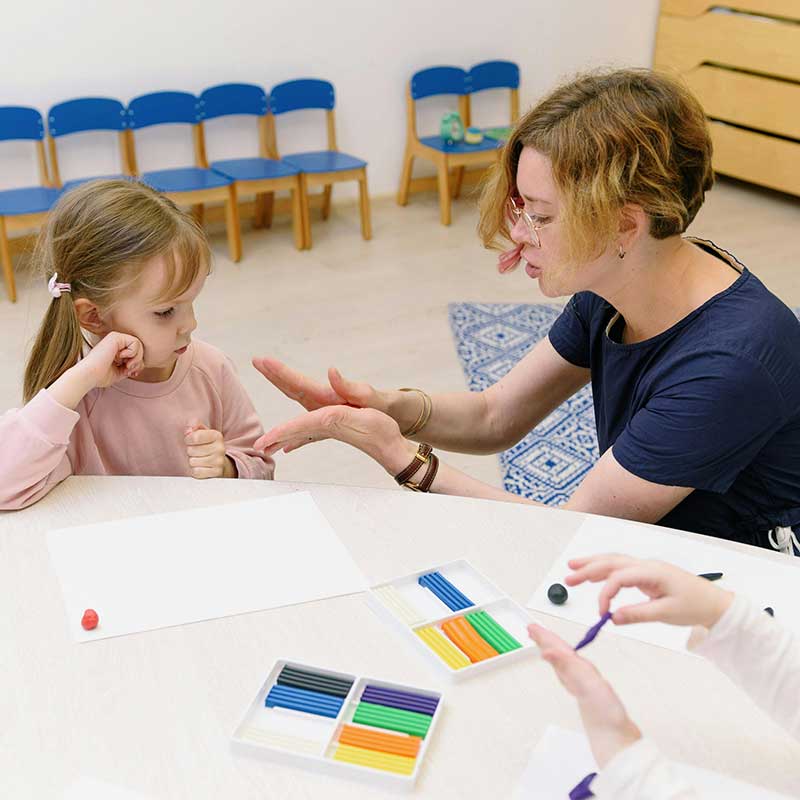
At Jump Ahead Pediatrics, our BCBAs design and oversee individualized ABA therapy programs that help children build communication, social, academic, behavioral, and daily living skills. They work closely with families, teachers, and Registered Behavior Technicians (RBTs) to support meaningful, long-term success.
What Does a BCBA Do?
BCBAs are leaders in student behavior analysis. They assess student needs, design treatment plans, contribute to IEPs, guide teams, and ensure that ABA therapy is ethical, effective, and individualized. Their responsibilities can vary depending on the setting but always involve data-driven decision making and collaboration.
BCBA Responsibilities in Schools
As a premiere school staffing agency, Jump Ahead Pediatrics provides strong school-based ABA support to numerous school districts. In educational settings, BCBAs often:
- Conduct Functional Behavior Assessments (FBAs)
- Write Behavior Intervention Plans (BIPs)
- Support and educate teachers, paraprofessionals, and school staff
- Support classroom-wide positive behavior systems
- Collaborate with Child Study Teams and IEP teams
- Monitor student progress using objective data
- Assist with crisis prevention and intervention strategies
School-based BCBAs help create encouraging, inclusive environments that promote academic and behavioral success.
Daily Tasks You Can Expect as a BCBA
A BCBA’s day is typically varied and highly collaborative. Daily tasks may include:
- Conducting student assessments
- Observing students
- Writing or updating behavior plans
- Supervising RBTs or school staff
- Meeting with families and teachers
- Analyzing data to adjust interventions
- Attending team or IEP meetings
- Documenting progress and completing reports
School-based BCBAs often move across multiple classrooms, consult with teachers, and provide real-time support as student needs arise. Occasionally Jump Ahead BCBAs may be assigned to more than one school site in order to supervise RBTs.
Education and Certification Requirements: Becoming a BCBA
1. Bachelor’s Degree
A bachelor’s degree is required. Common fields include psychology, education, child development, or social work, although any major is acceptable.
2. Master’s Degree
A BCBA candidate must earn a master’s degree in one of the following:
- Behavior Analysis
- Psychology
- Education
- Another field that includes a Verified Course Sequence (VCS) approved by the Behavior Analyst Certification Board (BACB)
3. BCBA National Certification
After completing the required coursework, candidates must:
- Complete supervised fieldwork
- Apply through the Behavior Analyst Certification Board (BACB)
- Pass the national BCBA examination
Passing the exam is what officially earns the Board Certified Behavior Analyst credential.
4. State Licensing Requirements
State-specific regulations are essential to understand, and each state has their own requirements. For example, New Jersey requires:
- LBA (Licensed Behavior Analyst) for BCBA-level practitioners
- LaBA (Licensed Assistant Behavior Analyst) for BCaBA-level practitioners
Public and private school districts in New Jersey typically require both:
- Active BCBA certification
- A valid New Jersey LBA license
Supervised Fieldwork: Gaining Hands-On Experience
Before taking the BCBA exam, candidates must complete supervised fieldwork hours under a qualified BCBA.
Types of Fieldwork
- Supervised Fieldwork. 2,000 hours
- Concentrated Supervised Fieldwork. 1,500 hours with increased supervision intensity
Is Becoming a BCBA Right for You?
This career may be an excellent fit if you:
- Enjoy helping children develop new skills
- Are motivated by problem solving and data analysis
- Appreciate teaching, training, and collaboration
- Value compassion, ethics, and family-centered care
- Thrive in active environments
- Want a stable and meaningful career in a growing field
BCBAs play a life-changing role in the progress and success of children and their families. At Jump Ahead Pediatrics, we are proud to support and mentor the next generation of behavior analysts.