
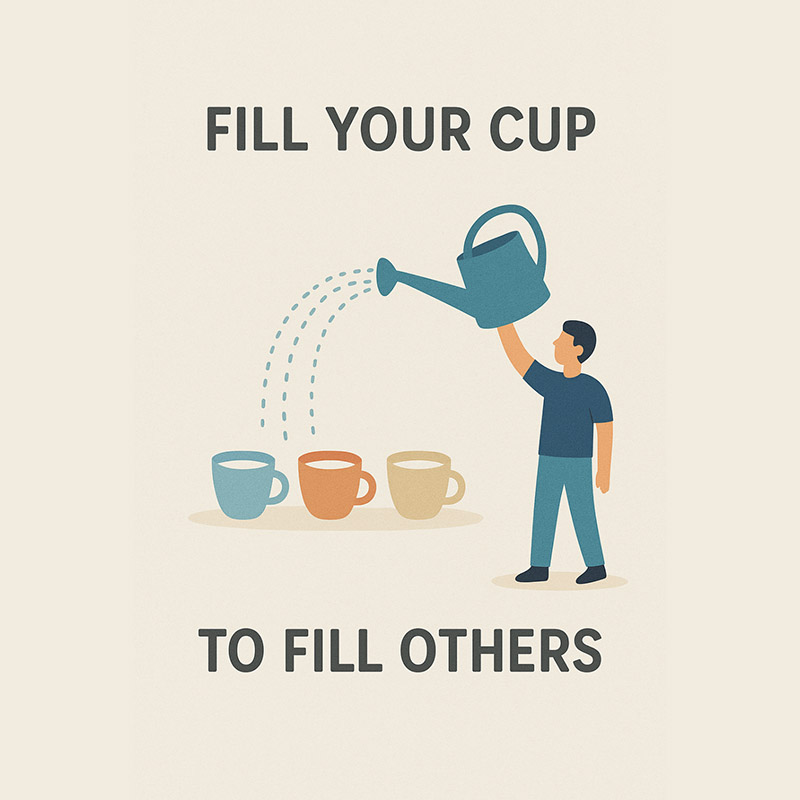
Working with children is an incredibly rewarding profession, but it can also be one of the most draining. We recognize that educators, therapists, and other student support staff give so much of themselves each day—their time, energy, creativity, and emotional support. With staggering statistics on teacher burnout and turnover, it’s easy to forget one critical truth: you can’t pour from an empty cup.
This is where self-care comes in, not as a luxury, but as a fundamental necessity for sustainability in a demanding field. By making sure your own cup is full, you ensure you have the energy, patience, and passion to pour into others. Read on to learn more about the profound benefits of self-care for educators and why it’s a professional responsibility, not a selfish act.
What Exactly Is Self-Care?
Self-care is a term that often gets misunderstood, reduced to images of bubble baths or occasional indulgences. While these things can be relaxing, true self-care runs much deeper. At its core, self-care is the intentional and proactive practice of protecting your physical, emotional, and mental well-being.
For educators, it’s about creating sustainable habits that prevent burnout, restore energy, and allow you to show up as your best self for your students and colleagues. It’s the conscious decision to step back and recharge, rather than pushing through until you’re running on fumes. It’s not about escaping your life, but about creating a life you don’t feel the need to regularly escape from.
The Ripple Effect: Why Self-Care for Educators Creates Better Schools
We know that when school staff prioritize their wellness, they don’t just feel better personally; they create healthier, more effective learning environments. The positive impact of a well-regulated adult is immeasurable and creates a powerful ripple effect throughout the school. Here are just some tangible impacts that self-care for educators and support staff can create:
- Enhanced Classroom Management: A teacher who is rested and mentally clear is far better equipped to handle classroom challenges with patience and empathy. They are more likely to de-escalate difficult situations calmly rather than reacting out of stress, creating a safer and more stable environment for students.
- Deeper Student Connections: Emotional availability is the bedrock of strong student-teacher relationships. When an educator’s own emotional cup is full, they have the capacity to truly listen, connect with, and validate their students’ experiences, fostering trust and a stronger sense of community.
- Improved Professional Resilience: The education field is rife with challenges that can lead to compassion fatigue and burnout. A consistent self-care practice builds resilience, helping you navigate the inevitable stressors of the job without becoming cynical or emotionally exhausted.
- Modeling Healthy Behavior: Students, especially those who have experienced trauma, are incredibly attuned to the emotional states of the adults around them. By practicing and modeling healthy coping strategies, you are implicitly teaching them how to manage their own stress and emotions.
Practical Strategies: A ‘Self-Care for Educators’ Toolkit
Building a self-care routine doesn’t require a complete life overhaul. It’s about integrating small, sustainable practices into your daily life. Here are some simple yet effective ways educators can build self-care for educators into their routines:
- Set Firm Boundaries: It’s okay—and necessary—to leave work at work. Create a “closing ceremony” for your day, like tidying your desk or writing down tomorrow’s top three priorities, to signal to your brain that the workday is over. Establish a cutoff time for checking emails and grading papers to protect your personal time.
- Prioritize Restful Sleep: A well-rested teacher is a more patient, creative, and effective teacher. Chronic sleep deprivation impacts everything from your mood to your immune system. Make a full night’s sleep a non-negotiable part of your routine by creating a relaxing bedtime ritual and sticking to a consistent sleep schedule.
- Move Your Body Mindfully: Physical activity is a powerful antidote to stress. You don’t need to run a marathon; even a brisk 15-minute walk during your lunch break can boost your mood and energy. Find a form of movement you genuinely enjoy, whether it’s dancing in your living room, stretching between classes, or joining a local yoga studio.
- Practice Micro-Mindfulness: You don’t need an hour to meditate. Small moments of presence can reset your nervous system throughout the day. Try a “two-minute reset” where you simply focus on your breath, slowly inhaling for a count of four and exhaling for a count of six. Do this in your car before walking into school or at your desk between periods.
- Celebrate the Wins: In a profession where the to-do list is never-ending, it’s crucial to acknowledge your impact. Keep a “win folder” of positive notes from students or parents. At the end of each week, take five minutes to write down three things that went well or one student you connected with. This practice can reignite your sense of purpose and combat feelings of ineffectiveness.
A Final Thought
Educators and student support staff are the architects of the future, but in order to nurture the next generation, they must first nurture themselves. Self-care for educators isn’t selfish; it’s the most critical professional development you can engage in. By intentionally filling your own cup, you ensure you have the energy, patience, and passion to keep making a difference, day after day and year after year.
Anna Pacheco
Jump Ahead Pediatrics