
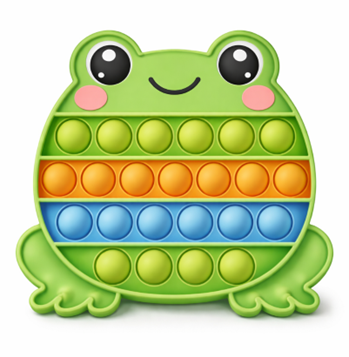
Walk into almost any classroom today and you will see them. Pop-its. Stress balls. Tangles. Putty. Fidget toys have become a common sight in schools, and they tend to spark strong opinions. Some educators swear by them. Others swear at them.
So what are fidget toys really? A distraction that derails learning, or a legitimate support that helps students focus?
Like most things in education, the answer is not black and white.
Why Fidget Toys Took Over Classrooms
Fidget toys originally gained traction as tools to support students with attention, sensory, or self regulation needs. Occupational therapists and school psychologists often recommended small, repetitive movements to help students stay regulated during learning tasks. The idea is simple. For some students, keeping the hands busy helps the brain stay engaged.
Over time, fidgets moved from targeted supports to mainstream classroom items. Social media trends and toy marketing did not help. What started as a tool quickly turned into a toy craze, and that is where the tension began.
When Fidget Toys Become a Nuisance
Educators are not wrong to be frustrated. Fidget toys can absolutely become disruptive when they are not used intentionally.
Common issues include:
- Toys that make noise or require visual attention
- Students trading or showing off fidgets during instruction
- Fidgets being used as play items instead of tools
- Increased classroom management demands on teachers
In these cases, fidgets stop supporting learning and start competing with it. If a student is more focused on popping, stretching, or spinning than listening or participating, the tool is no longer serving its purpose.
When Fidget Toys Are a Legitimate Tool
On the flip side, many students truly benefit from appropriate fidget use. This is especially true for students with ADHD, autism, anxiety, sensory processing differences, or difficulties with sustained attention.
When used correctly, fidget toys can:
- Improve focus during listening tasks
- Support emotional regulation
- Reduce disruptive movement like getting out of a seat
- Help students manage stress or sensory input
For these students, the fidget is not a toy. It is a strategy. Much like wearing glasses or using a graphic organizer, it levels the playing field.
Fidget Seating
Let’s also talk about fidget seating, because movement does not stop at hands. For many students, especially those with ADHD, sensory processing needs, or high energy levels, the ability to move while learning is not a distraction. It is a regulation tool. Traditional seating expects still bodies for long stretches of time, but research and classroom experience continue to show that controlled movement can actually improve focus, stamina, and task completion.
Simple tools like kicking bands stretched across chair legs give students a quiet outlet for excess energy. Instead of tapping feet, rocking chairs, or getting up repeatedly, students can push against resistance under their desk without disrupting others. Inflatable discs placed on chairs allow subtle core engagement and small shifts in balance, which help some students stay alert and grounded. Flexible seating options such as wobble stools, standing desks, floor cushions, scoop rockers, or stability balls offer choice and autonomy, both of which increase buy in and engagement.
The key is intentional implementation. Fidget seating is not a free for all. It works best when expectations are clearly taught: tools are for focus, not play; movement stays safe and controlled; and seating choices are connected to learning goals. When used thoughtfully, these supports reduce behavioral interruptions, increase time on task, and create a more inclusive environment where different bodies and brains are respected.
The Difference Is Structure, Not the Toy
The biggest factor in whether fidget toys help or hurt learning is not the type of fidget. It is how the school or classroom sets expectations around their use.
Successful fidget implementation usually includes:
- Clear guidelines about when and how fidgets can be used
- Limits on noise, size, and visual distraction
- Explicit teaching that fidgets are tools, not toys
- Individualized decisions rather than blanket policies
Some classrooms designate “fidget approved” items. Others require that a fidget helps the student focus without drawing attention. Many schools involve occupational therapists in selecting appropriate options.
Avoiding the All or Nothing Trap
Banning all fidget toys may feel like the easiest solution, but it can unintentionally remove an effective support for students who need it. On the other hand, allowing unrestricted use often leads to chaos.
A balanced approach recognizes that:
- Not every student needs a fidget
- Not every fidget is appropriate for school
- Supports should be flexible and student specific
- Staff benefit from guidance and collaboration when implementing tools
This is where multidisciplinary teams shine. Teachers, therapists, and administrators working together can determine what makes sense for their students and their classrooms.
So, Nuisance or Tool?
Fidget toys are neither inherently bad nor universally helpful. They are tools that require thoughtful use. In the right context, with the right expectations, they can support focus, regulation, and access to learning. Without structure, they quickly become distractions.
The goal is not to eliminate movement or sensory input from classrooms. The goal is to help students learn in ways that work for their brains.
When schools treat fidget toys as intentional supports rather than trendy toys, everyone benefits.