
For many students, routines provide structure and consistency throughout the school day. For students with behavioral needs, predictable routines can be especially valuable, helping them feel more secure, understand expectations, and transition more successfully between activities.
While every student is unique, establishing consistent routines can create a supportive learning environment where students are better equipped to learn, participate, and build positive relationships.
Why Predictability Matters
Knowing what to expect reduces uncertainty and helps students focus on learning rather than navigating unexpected changes. Predictable routines can:
- Increase feelings of safety and security
- Reduce anxiety during transitions
- Encourage independence
- Improve classroom participation
- Support positive behaviors throughout the school day
When students understand the daily schedule and classroom expectations, they often feel more confident in their environment.
Start With Clear Expectations
Successful routines begin with clear, consistent expectations. Teachers and support staff can help by introducing routines step-by-step, modeling expected behaviors, and using simple, positive language.
Providing reminders and positive reinforcement as students learn new routines encourages success and builds confidence over time.
Use Visual Supports
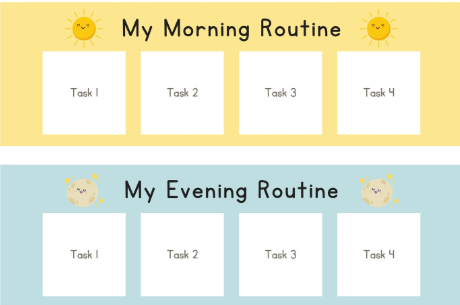
Many students benefit from visual reminders of what comes next. Classroom schedules, picture cues, first, then boards, and checklists can help students understand daily activities and prepare for transitions.
Visual supports also promote independence by allowing students to follow routines with less adult prompting.
Prepare for Transitions
Transitions between activities can sometimes be challenging, particularly when students are engaged in a preferred activity or unsure of what’s coming next.
Simple strategies can make transitions smoother, including:
- Giving advance warnings before changing activities
- Using visual or auditory timers
- Following a consistent transition routine
- Offering positive praise when transitions go well
Small, consistent supports can make a significant difference throughout the school day.
Keep Routines Consistent But Flexible
Consistency helps students know what to expect, but flexibility is also an important life skill. When changes to the schedule are necessary, preparing students ahead of time whenever possible can ease the transition.
Communicating changes clearly and maintaining other familiar routines helps students adapt with greater confidence.
Collaboration Creates Consistency
Students thrive when families, teachers, therapists, and behavioral professionals work together. Sharing successful strategies across home and school creates greater consistency and helps reinforce positive behaviors in multiple environments.
Open communication also allows teams to adjust routines as students grow and their needs change.
Supporting Student Success
Predictable routines do more than create an organized classroom, they help students develop confidence, independence, and the skills needed to succeed both academically and socially.
At Jump Ahead Pediatrics, our school-based behavioral professionals, including Board Certified Behavior Analysts (BCBAs) and Registered Behavior Technicians (RBTs), collaborate with educators and families to develop individualized strategies that support positive behavior, successful classroom participation, and meaningful student growth. Through consistent routines and evidence-based practices, we help schools create learning environments where every student has the opportunity to thrive.